
Professional Windscreen for Sennheiser MKH50
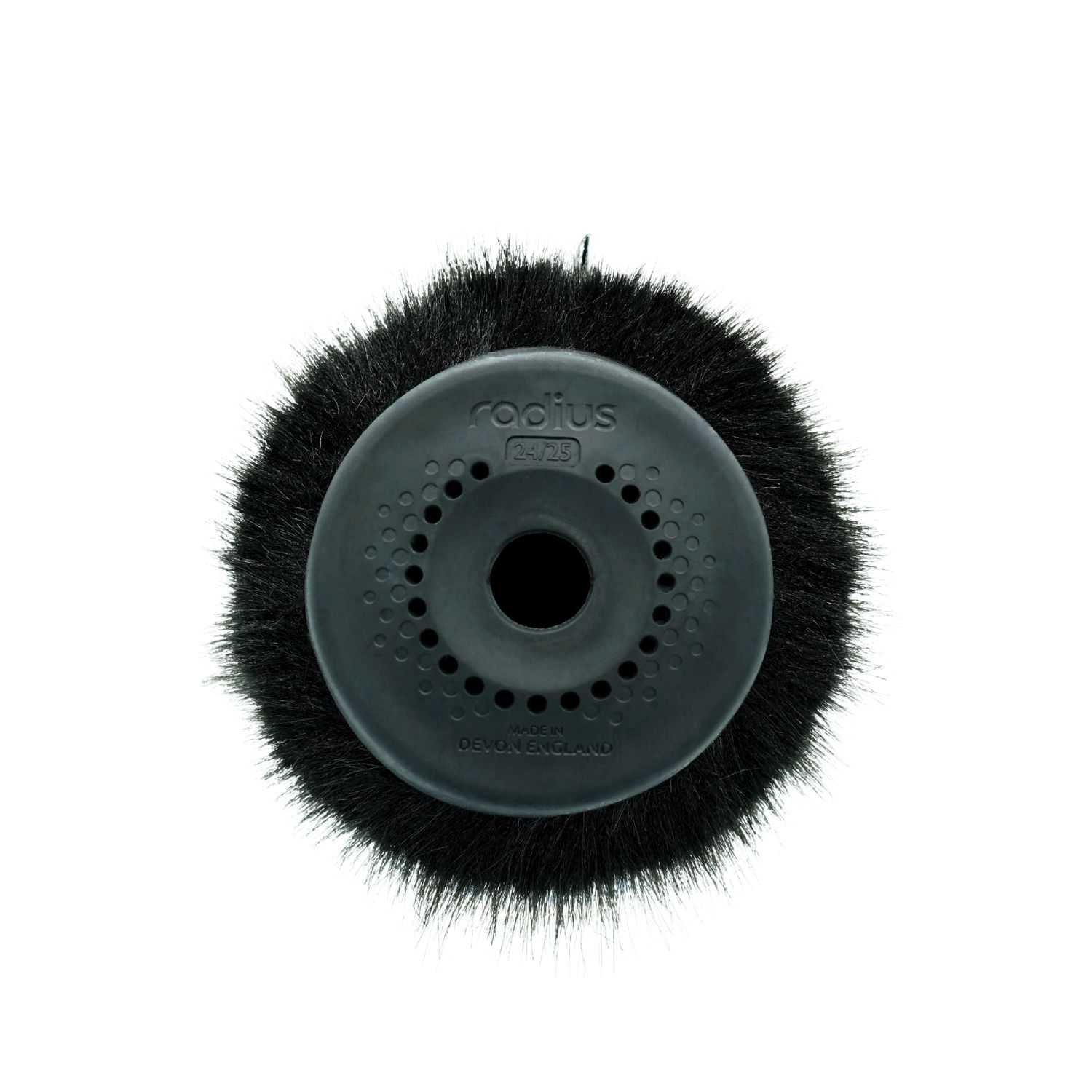
The 5cm black windshield mkh50 compatible Nimbus windscreen provides essential wind protection for professional broadcast and field recording applications. This slip-on design accommodates the Sennheiser MKH50 alongside other condenser microphones within the 24-25mm diameter range.
Advanced Wind Reduction Technology
Engineered to reduce wind noise by up to 25dB, this windscreen maintains critical high-frequency audio clarity during outdoor recordings. The construction combines high-quality synthetic black fur with an internal porous open cell foam core, creating effective wind turbulence dissipation without compromising frequency response.
The 5cm length provides optimal coverage for microphones with slots positioned less than 5cm from the capsule end. This precise sizing ensures proper acoustic performance while maintaining the microphone’s directional characteristics.
Innovative Pepper Pot End Cap Design
The Nimbus windscreen incorporates a unique pepper pot hole pattern in the rear end cap. These small openings enhance acoustic transparency, reducing polar pattern distortion that can occur with conventional solid end caps. This design allows more natural sound capture while maintaining effective wind protection.
The rubber end caps feature a 24-25mm internal diameter, creating a secure fit around compatible microphones. This snug connection prevents wind infiltration behind the capsule, a common source of unwanted noise in field recording scenarios. The dual-diameter design accommodates slight variations in microphone housing dimensions.
Professional Broadcasting Applications
Location sound recordists rely on this windscreen for television production, documentary work, and news gathering. The black synthetic fur provides visual discretion in camera shots while delivering consistent wind protection. Broadcasting professionals appreciate the maintained frequency response characteristics essential for dialogue recording.
The windscreen proves particularly valuable during exterior interviews where moderate wind conditions threaten audio quality. News crews working in unpredictable weather conditions benefit from the 25dB wind noise reduction without requiring larger suspension systems that might obstruct camera angles.
Studio and Field Recording Integration
Sound engineers incorporate this windscreen into mobile recording setups where environmental wind noise presents challenges. The slip-on design allows rapid deployment without disrupting microphone positioning or requiring additional mounting hardware.
For documentary production, the windscreen enables handheld microphone operation in outdoor environments while preserving the MKH50’s renowned audio characteristics. Location recordists working with Sennheiser condenser microphones find this an essential accessory for maintaining professional audio standards.
Compatible Microphone Systems
Primary compatibility includes the Sennheiser MKH20, MKH30, MKH40, and MKH50 condenser microphones. The Sony ECM-MS2 also fits within the 24-25mm diameter specification. Other condenser and instrument microphones meeting the dimensional requirements integrate effectively with this windscreen.
The standard length preamp requirement ensures proper fitment without interfering with microphone electronics or output connections. Recording professionals should verify slot positioning and overall microphone length before deployment.
Construction and Durability
The synthetic fur exterior resists moisture while maintaining wind noise reduction properties across varying environmental conditions. The internal foam structure provides consistent acoustic performance throughout the windscreen’s service life.
Professional users report extended durability even with frequent field deployment. The rubber end caps maintain elasticity through temperature variations commonly encountered in broadcast environments. Regular maintenance involves gentle cleaning to remove accumulated debris without damaging the acoustic properties.
Storage and Transport Considerations
The windscreen compresses for compact transport without permanent deformation. Field recording professionals typically store the windscreen in protective cases alongside microphone equipment to prevent contamination or damage.
Proper storage away from extreme temperatures preserves the synthetic fur characteristics and rubber end cap flexibility. Broadcasting departments often maintain multiple windscreens to ensure availability during concurrent productions or as backup equipment for critical recording scenarios.


Reviews
There are no reviews yet.