
Professional Lavalier Foam Wind Protection
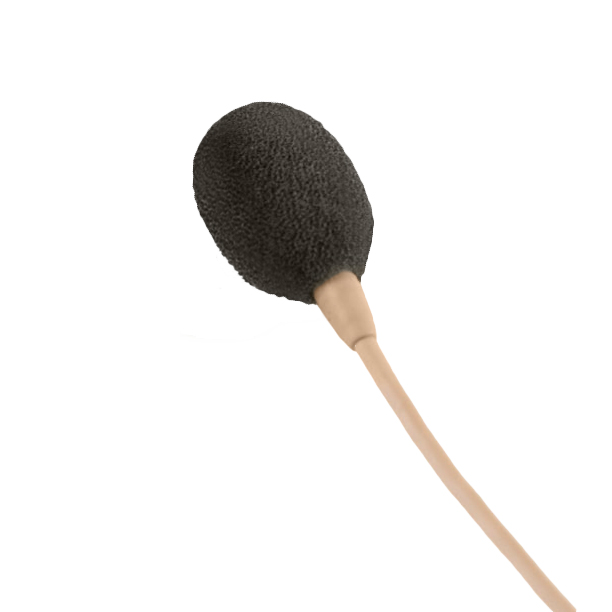
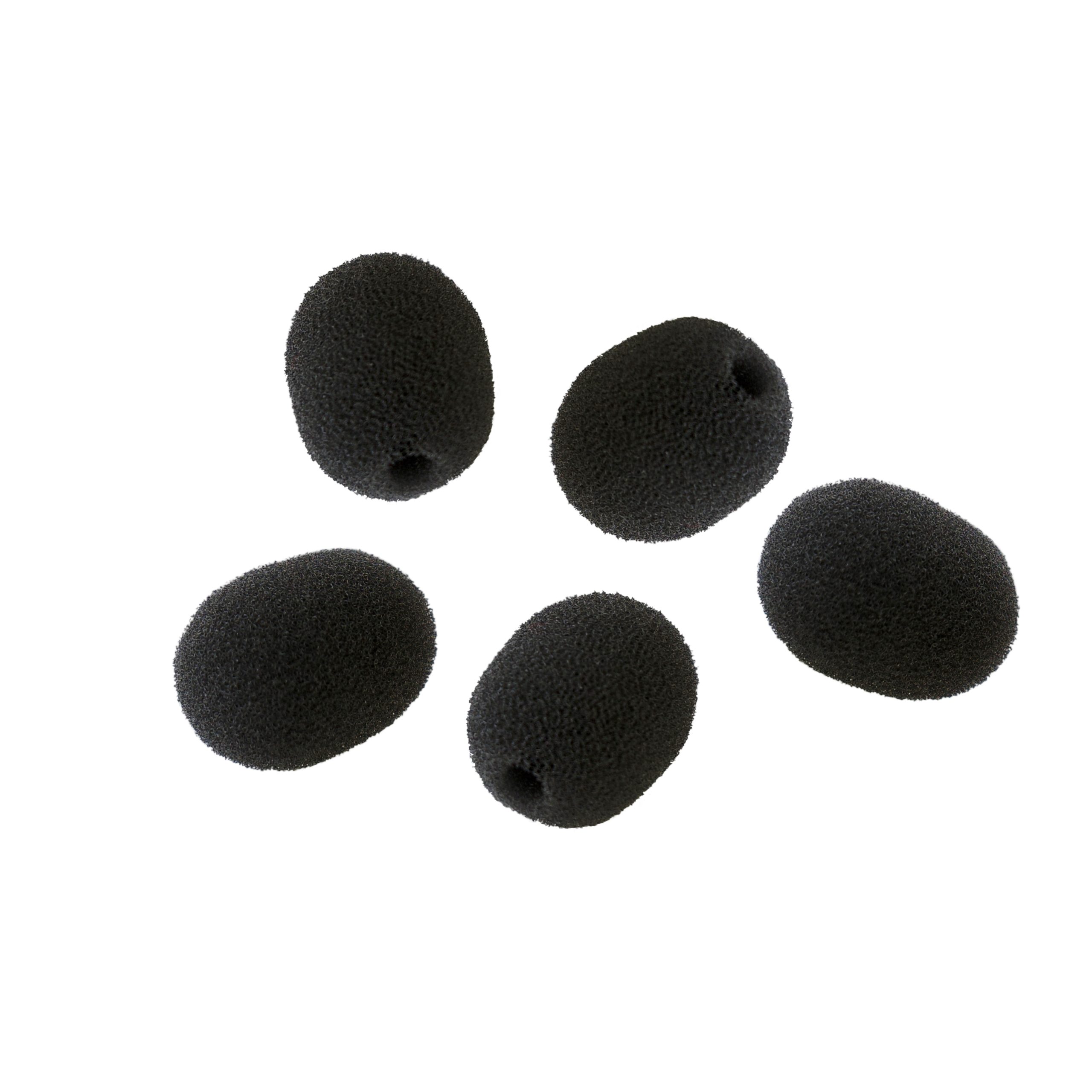
These professional-grade foam windshields provide essential acoustic protection for broadcast and field recording applications using lavalier microphones. Manufactured in the United Kingdom from specialized acoustic foam, each windshield measures to accommodate microphones with capsule diameters between 4.5mm and 6mm.
The foam construction utilizes a semi-open cell structure that maintains acoustic transparency while effectively attenuating wind noise and reducing plosive impact. This material specification ensures consistent performance across varying environmental conditions encountered in broadcast and location recording scenarios.
Microphone Compatibility
The windshields are engineered to fit popular lavalier microphone models including the DPA 4060, Countryman B3, Countryman EMW, Sony ECM-77B, and Sennheiser MKE 2. The standardized internal dimensions accommodate the capsule housing geometry of these and similar small-format lavalier transducers without interfering with frequency response characteristics.
Field testing confirms secure attachment across this microphone range while maintaining easy removal for cleaning and replacement. The foam material provides sufficient elasticity to ensure proper fit without creating mechanical stress on delicate capsule assemblies.
Acoustic Performance
The semi-open cell foam structure delivers measurable wind noise reduction while preserving high-frequency response critical for speech intelligibility. The material density balances protection against environmental noise with acoustic transparency, ensuring minimal impact on the microphone’s frequency response curve.
Wind noise attenuation proves particularly effective in light outdoor conditions, reducing low-frequency rumble and turbulence noise that commonly affects unprotected lavalier capsules. The foam structure also provides mechanical dampening against fabric noise and handling vibration transmitted through clothing attachment.
Construction and Durability
UK manufacturing ensures consistent quality control and material specifications. The foam compound incorporates UV resistance to prevent degradation under studio lighting and outdoor exposure. Moisture resistance characteristics maintain foam integrity in humid recording environments and light precipitation conditions.
Unlike standard consumer-grade foam windshields that deteriorate rapidly, these windshields maintain structural integrity and acoustic properties through extended use cycles. The material resists compression set and maintains shape recovery after repeated attachment and removal.
Professional Workflow Integration
The five-unit pack configuration supports professional recording operations requiring multiple lavalier setups or regular windshield replacement schedules. This quantity proves practical for broadcast facilities maintaining equipment inventories and location recording teams managing multiple talent microphones simultaneously.
Quick attachment and removal facilitate efficient talent preparation during live broadcasts and multi-take recording sessions. The windshield profile remains discrete under clothing while providing necessary acoustic protection for concealed microphone placement.
Storage and Maintenance
Foam windshields should be stored in clean, dry conditions away from direct UV exposure when not in use. Regular inspection for foam integrity and shape retention ensures optimal acoustic performance. Light cleaning with appropriate foam-safe solvents removes accumulated debris without damaging the cellular structure.
Replacement intervals depend on usage frequency and environmental exposure, with typical broadcast applications requiring windshield replacement every 3-6 months under normal conditions. Signs of compression permanent set or visible material degradation indicate immediate replacement necessity.
Application Context
These windshields prove essential for news gathering, documentary production, corporate video recording, and broadcast interview scenarios where lavalier microphones face environmental challenges. The black coloration provides discrete visual integration with dark clothing and reduces visibility in low-light recording conditions.
Professional sound departments rely on quality wind protection to maintain audio standards during location recording where controlled acoustic environments are unavailable. Proper windshield selection contributes directly to post-production efficiency by reducing wind noise remediation requirements.


Reviews
There are no reviews yet.