Deadcat & Fur Windscreens
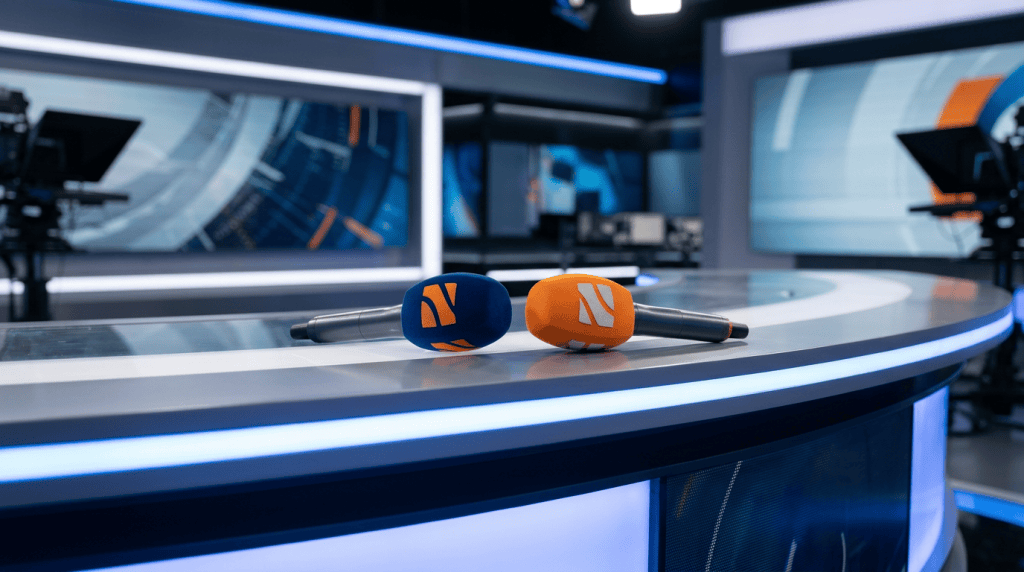
Deadcat and fur windscreens represent the professional standard for outdoor audio capture, delivering effective wind noise rejection where foam alone falls short. These furry covers – named for their distinctive appearance – work by disrupting turbulent airflow before it reaches the microphone capsule, making them indispensable for location sound recording, broadcast journalism, and documentary production. This category covers fur windscreens compatible with a wide range of shotgun and boom microphones, from compact on-camera models to full-sized broadcast-grade setups. Whether shooting in open fields, urban environments, or unpredictable weather conditions, the right deadcat windscreen can mean the difference between clean, usable audio and unusable recordings. Line-in.eu stocks options across multiple sizes and mounting types to suit professional production requirements.
- Deadcat & Fur Windscreens
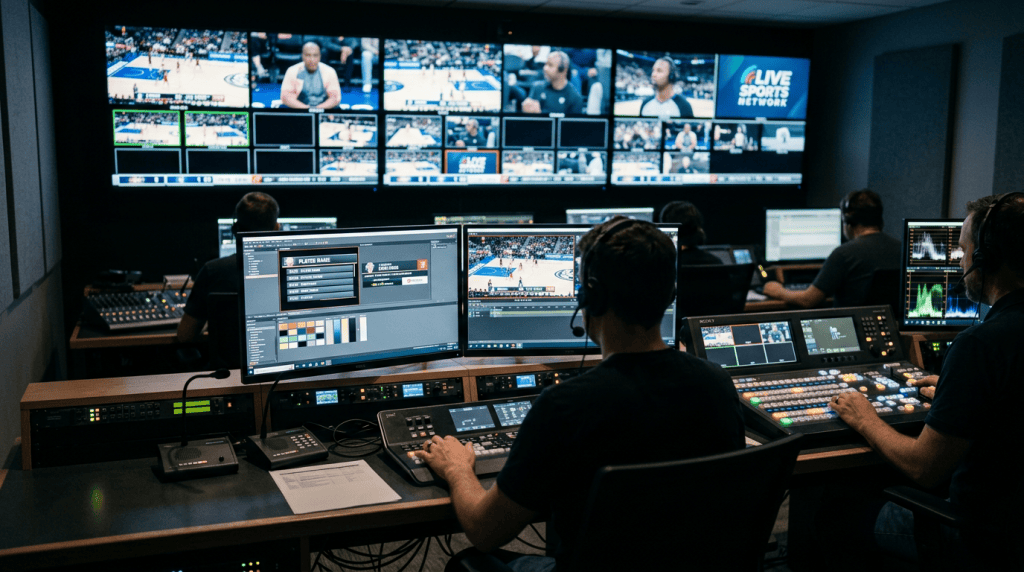
Why broadcast branding matters on the control room floor
Branding in live broadcast is an operational necessity, not a slogan. This article examines key touchpoints-from BUGs and lower thirds to audio identity and workflow integration-with practical advice for broadcast pros to minimize risks and maximize sponsor value. Includes checklists and case studies for news, sports, and streaming.
- Deadcat & Fur Windscreens
What a Microphone Windshield Does and How It Works Acoustically
What a microphone windshield does and how it works acoustically: overview of foam and furry windscreens, wind-noise and plosive reduction, frequency effects.
- Deadcat & Fur Windscreens
Mic Windscreen for Broadcast: 6 Ways the Right Choice Affects Your On-Air Quality
Choosing a mic windscreen for broadcast affects audio quality, branding and on-screen appearance. 6 practical factors every station should know.
- Deadcat & Fur Windscreens
Colour Matching Microphone Windshields: RGB, CMYK & Pantone Guide
RGB, CMYK or Pantone - which colour system works for foam microphone windshields? This guide explains the difference and shows why Pantone is the only reliable choice for accurate brand colour in production.
- Deadcat & Fur Windscreens
Custom Mic Windscreens: From Noise Protection to On-Camera Branding
Custom microphone windscreens combine wind noise reduction with on-camera logo branding for TV, radio, podcasts, and events. Professional foam protects audio while logos enhance visual identity-explore shapes, colors, and ordering for broadcast teams.
- Deadcat & Fur Windscreens
How Foam Structure and Density Affect Broadcast Sound Quality
A foam windscreen sits between the microphone capsule and the environment, acting as the first point of contact with sound […]
- Deadcat & Fur Windscreens
Foam Windscreen Outdoor Use: 4 Factors That Determine How Far It Goes
Foam windscreen outdoor use explained: 4 key factors that decide whether foam is enough or you need fur. Practical guidance for broadcast and ENG.
- Deadcat & Fur Windscreens
How to Choose Mic Windscreen Size: A Practical Sizing Guide for Broadcast Professionals
How to choose mic windscreen size for any microphone: measure correctly, avoid common fit mistakes, and get the right windscreen first time.
- Deadcat & Fur Windscreens
How to Choose Microphone Wind Protection: 4 Key Factors for Broadcast and Production
A practical guide to choosing microphone wind protection for broadcast, studio, and field use. Covers the four key factors: recording environment, microphone type, branding requirements, and budget - with links to detailed guides on shape selection, logo preparation, and colour matching.