
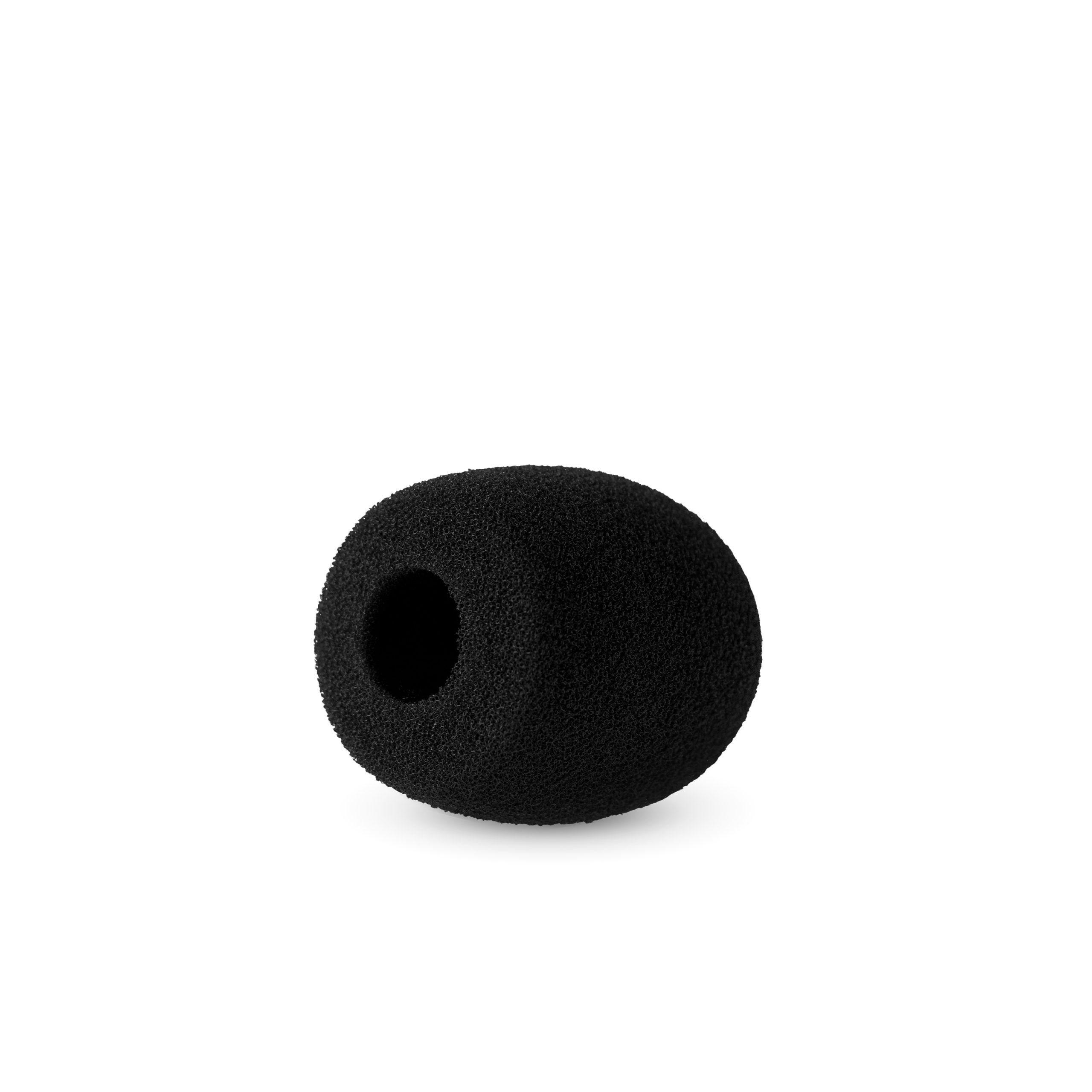
5cm Pencil Condenser Microphone Windshield Overview
This 5cm pencil condenser microphone windshield provides essential acoustic protection for small-diameter professional condenser microphones. Engineered for microphones with 19-22mm diameters and standard length preamps, this foam windscreen effectively reduces plosive sounds, boom handling noise, and light wind interference while maintaining transparent high-frequency response.
Professional Acoustic Design
The windshield utilizes semi-open cell acoustic foam specifically formulated to balance wind protection with audio transparency. Unlike standard consumer-grade foam accessories, this windscreen maintains its structural integrity under professional use conditions. The material composition resists UV degradation and moisture absorption, ensuring consistent performance across varied environmental conditions.
The 5cm length accommodates pencil condenser microphones with slots positioned within 5cm from the microphone’s end. This design parameter ensures proper fitment across multiple professional microphone models while providing adequate acoustic protection around the capsule area.
Compatible Microphone Models
This windshield fits established professional microphone models including the AKG C451, Audio-Technica AT4022 and BP3600, Beyerdynamic MC930 and MC950, DPA 4006A, 4011A, 4015A, and 4018A models. Neumann KM184, Rode NT5 and NT55, plus Schoeps CMC6 systems with MK4, MK5, or MK41 capsules are also supported.
The 19-22mm internal diameter range accommodates most small pencil condenser and instrument microphones used in broadcast, studio recording, and field production environments. This sizing ensures secure fitment without excessive compression that might affect the microphone’s frequency response characteristics.
Manufacturing Quality and Durability
Manufactured in the United Kingdom using precision foam molding processes, this windshield demonstrates superior longevity compared to generic alternatives. The semi-open cell structure maintains its acoustic properties while resisting the degradation common in lower-quality foam products. Professional users can expect extended service life without the material breakdown that affects cheaper windscreen options.
The UV-resistant formulation prevents foam deterioration during outdoor recording sessions and location work. Moisture resistance characteristics ensure the windscreen maintains its acoustic properties in humid conditions and light precipitation scenarios commonly encountered in field recording applications.
Professional Applications
Broadcast engineers utilize these windshields for dialogue recording in controlled environments where moderate wind protection is required without compromising microphone sensitivity. Studio applications include acoustic guitar recording, drum overhead positioning, and ambient room capture where air movement from HVAC systems might create unwanted noise artifacts.
Location recording teams employ these windshields during indoor interviews and documentary production where boom handling noise and air conditioning systems present acoustic challenges. The windscreen’s compact profile allows close microphone positioning while maintaining adequate protection against mechanical handling noise transmitted through boom poles and microphone stands.
Acoustic Performance Characteristics
The windshield’s acoustic design prioritizes transparency across the critical speech and music frequency ranges. The semi-open cell structure allows sound waves to pass through while creating sufficient acoustic impedance to reduce wind velocity at the microphone capsule. This approach minimizes high-frequency attenuation commonly associated with denser foam materials.
Professional sound recordists appreciate the windscreen’s ability to reduce plosive energy without introducing noticeable coloration to vocal recordings. The foam density provides effective protection against light wind conditions while maintaining the microphone’s natural frequency response characteristics essential for critical recording applications.
Installation and Workflow Integration
The windshield installs by sliding over the microphone body until it reaches the appropriate position around the capsule area. The elastic properties of the foam ensure secure attachment without requiring additional fastening mechanisms. Removal for cleaning or microphone maintenance requires simple withdrawal without tools or complicated procedures.
Production workflows benefit from the windshield’s quick installation process, allowing rapid microphone configuration changes during multi-setup recording sessions. The secure fitment prevents accidental displacement during boom operation while allowing easy removal when circumstances require unprotected microphone operation.
For comprehensive wind protection in challenging outdoor conditions, this windshield can be combined with external windscreen systems. Professional guidelines from Rycote suggest layered wind protection approaches for optimal results in demanding environmental conditions.
Care and Maintenance Procedures
Regular cleaning maintains the windshield’s acoustic properties and extends its operational life. Gentle hand washing with mild soap and warm water removes accumulated dust and debris without damaging the foam structure. Complete air drying before storage prevents moisture retention that might affect acoustic performance.
Storage in protective cases or dedicated foam compartments prevents compression damage during transport. Avoiding exposure to extreme temperatures and direct sunlight preserves the UV-resistant properties and maintains the foam’s elastic characteristics over extended periods.



Reviews
There are no reviews yet.